

Consumer Electronics

Public Services

Smart Home

Industrial IoT

Transportation

Wi-Fi 4

Wi-Fi 5

Wi-Fi 6/6e

Wi-Fi 7

Wi-Fi 8
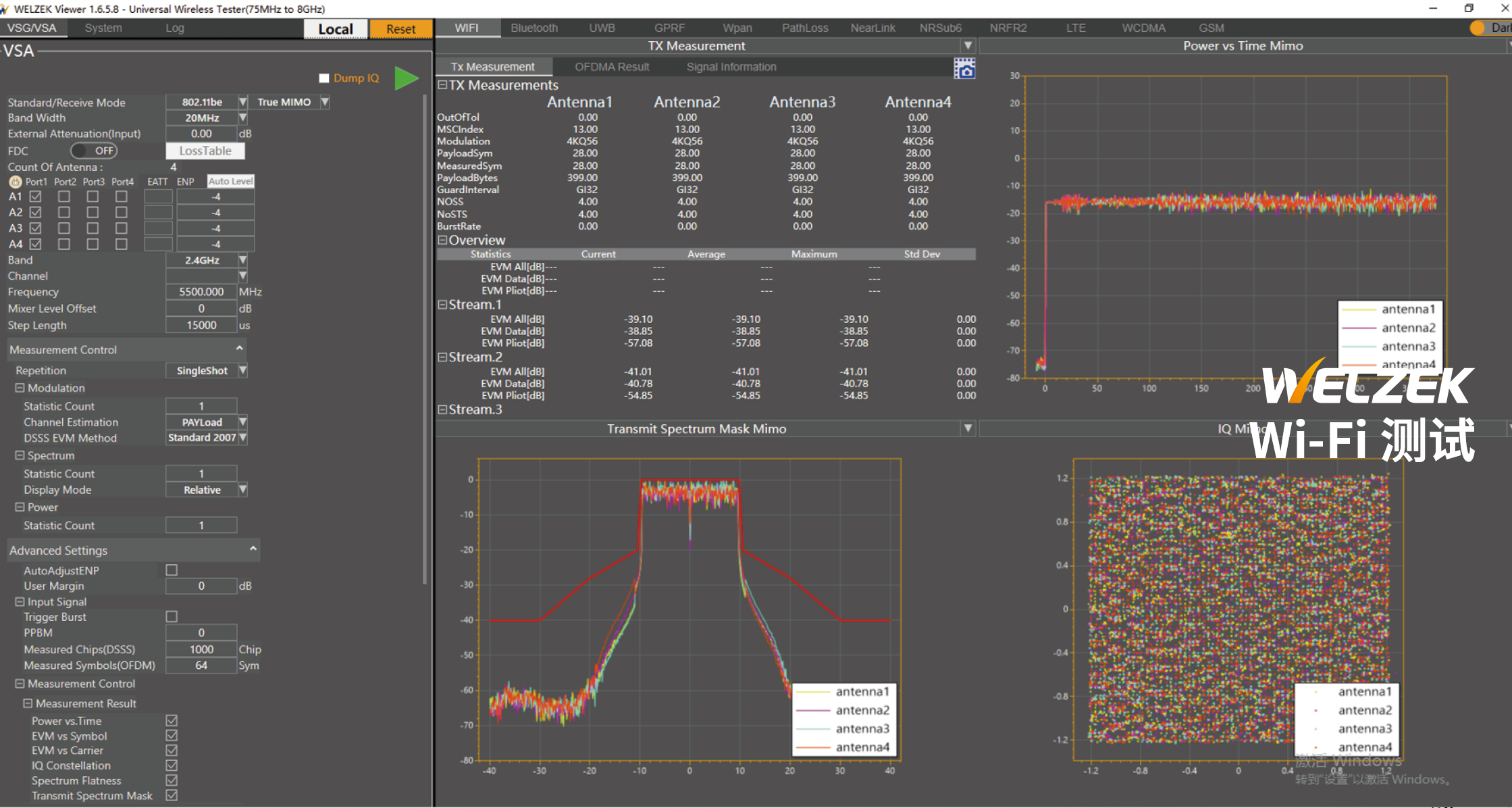
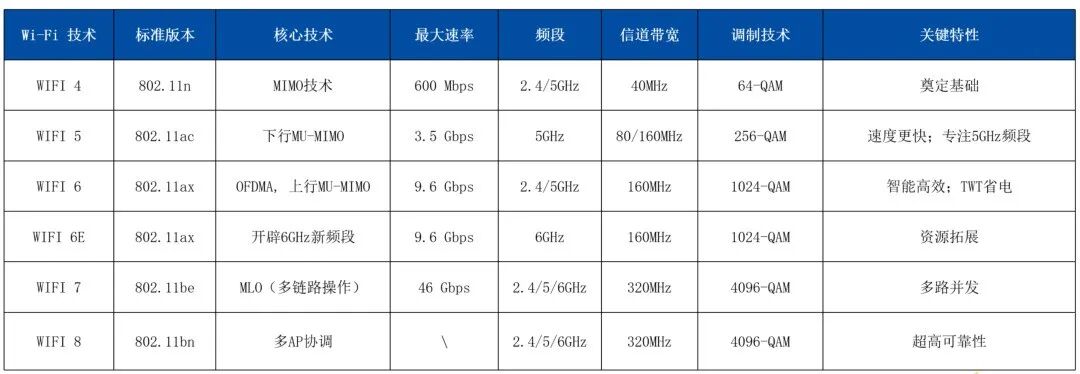
In recent years, WiFi technology has evolved rapidly. From WiFi 4 (802.11n) to WiFi 8 (802.11bn), each generation brings systematic upgrades in data rate, spectrum resources, multi-device concurrency, low latency, and reliability, making WiFi a key enabler for digital life and industrial connectivity. This evolution has transformed WiFi from a home internet tool into a universal connectivity solution covering smart homes, HD entertainment, enterprise offices, IoT, and immersive interactions. With its compatibility, ease of use, and cost advantages, WiFi is widely adopted across consumer electronics, commercial spaces, and industrial manufacturing, serving as indispensable wireless infrastructure that continues to support the digital economy and smart living.
Wi-Fi 8 Test
Wi‑Fi 8 (IEEE 802.11bn), the next‑generation WLAN standard, marks a new phase centered on Ultra‑High Reliability (UHR). Unlike previous generations focused on peak data rates, Wi‑Fi 8 is designed to systematically improve network efficiency, connection stability, and service determinism in complex scenarios such as high density, strong interference, and high mobility—rather than simply increasing theoretical peak speeds.
This shifts Wi‑Fi performance evaluation from raw throughput to more comprehensive user experience. Professional testing is critical to ensuring real‑world performance and stability. The WELZEK T6290F wireless tester, with its KM801 and KG801 options, supports Wi‑Fi 8 transmitter measurements and waveform generation respectively.
Three core new features of Wi‑Fi 8—Distributed Resource Units (DRU), Unequal Modulation (UEQM), and Extended Long Range (ELR)—effectively enhance connection stability.
Distributed Resource Unit (DRU)
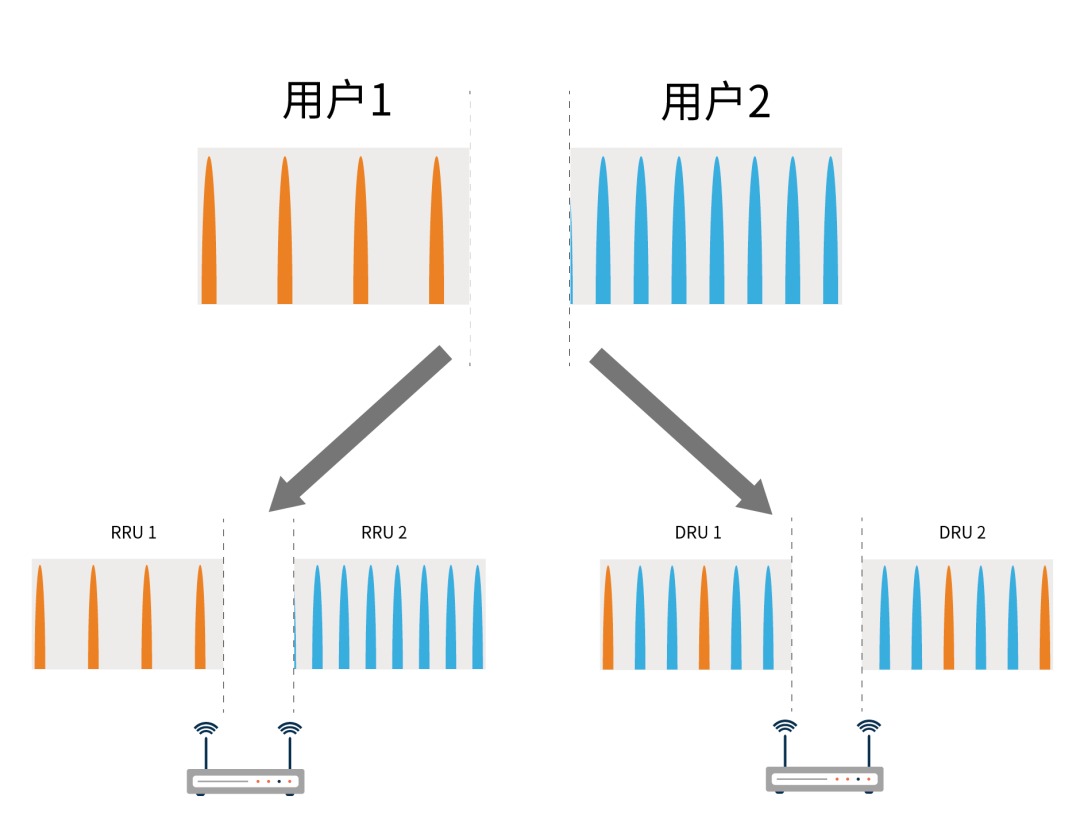
Distributed Resource Unit (DRU) in Wi‑Fi 8 is a PHY-layer enhancement designed for Low‑Power Indoor (LPI) devices in the 6 GHz band to address uplink Power Spectral Density (PSD) limitations. PSD is defined per MHz; even if total transmit power meets regulations, the per‑MHz power limit remains a constraint. Traditional resource units (RRU/SRU) use contiguous subcarrier allocation—about 13 subcarriers per MHz—limiting transmit power due to PSD constraints.
DRU distributes subcarriers across a wider Distributed Bandwidth (DBW) in a non‑contiguous manner, reducing the number of subcarriers per MHz. This allows each subcarrier to be transmitted at higher power. While still complying with FCC LPI client limit of –1 dBm/MHz, DRU increases uplink OFDMA transmit power, extends coverage, and enables higher data rates at longer distances.
Unequal Modulation (UEQM)
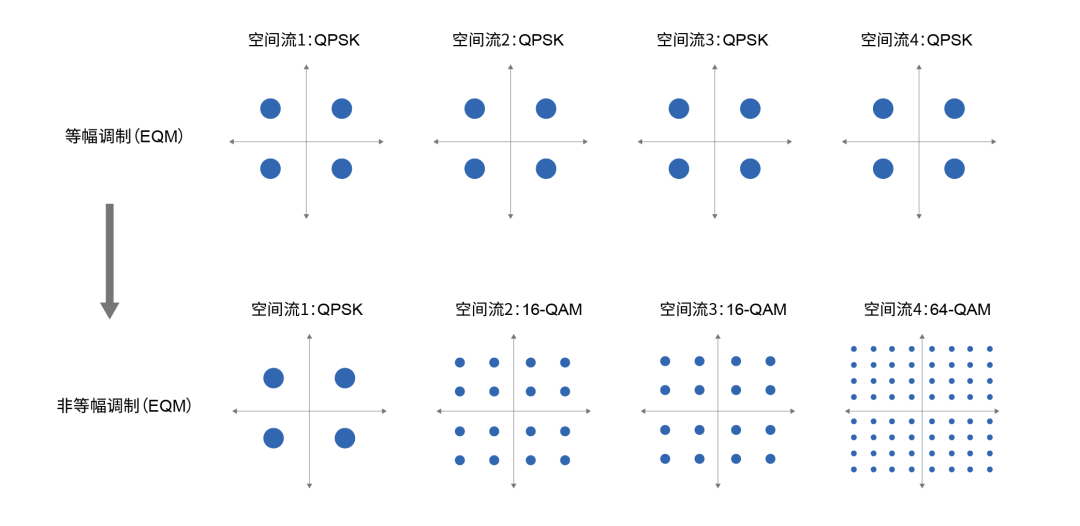
Unequal Modulation (UEQM) has been supported since Wi‑Fi 4. In MIMO systems, different spatial streams can independently select modulation schemes based on their channel conditions, dynamically allocating resources to improve throughput. This approach offers high flexibility but also high complexity. Due to early hardware limitations, beamforming and UEQM could not be used simultaneously.
With Wi‑Fi 8, hardware maturity allows UEQM to be re‑enabled to enhance beamforming. In Wi‑Fi 8, UEQM works together with EQM to efficiently utilize spectrum while dynamically adjusting modulation per spatial stream, delivering a more stable and reliable transmission experience.
Extended Long Range (ELR)
Extended Long Range (ELR) in Wi‑Fi 8 solves uplink weakness in devices like smartphones, which often causes disconnections at coverage edges. ELR improves the uplink budget with robust coding and 20 MHz narrowband transmission, enabling low‑power clients to maintain stable uplink over long distances or in weak signal conditions. This expands effective coverage and reduces dropouts for smart home and high‑density scenarios.
2.4 GHz – supports bidirectional transmission with more efficient coding and enhanced security.
5/6 GHz – addresses uplink power imbalance between STA and AP for long‑range and complex RF environments.
T6290F Test
The WELZEK T6290F wireless tester supports Wi‑Fi 8 testing via software upgrade. Developed by WELZEK, it features 2 GHz bandwidth, 5 MHz–10 GHz frequency range, and supports BPSK, QPSK, 16‑QAM, 64‑QAM, 256‑QAM, 1024‑QAM, and 4096‑QAM.
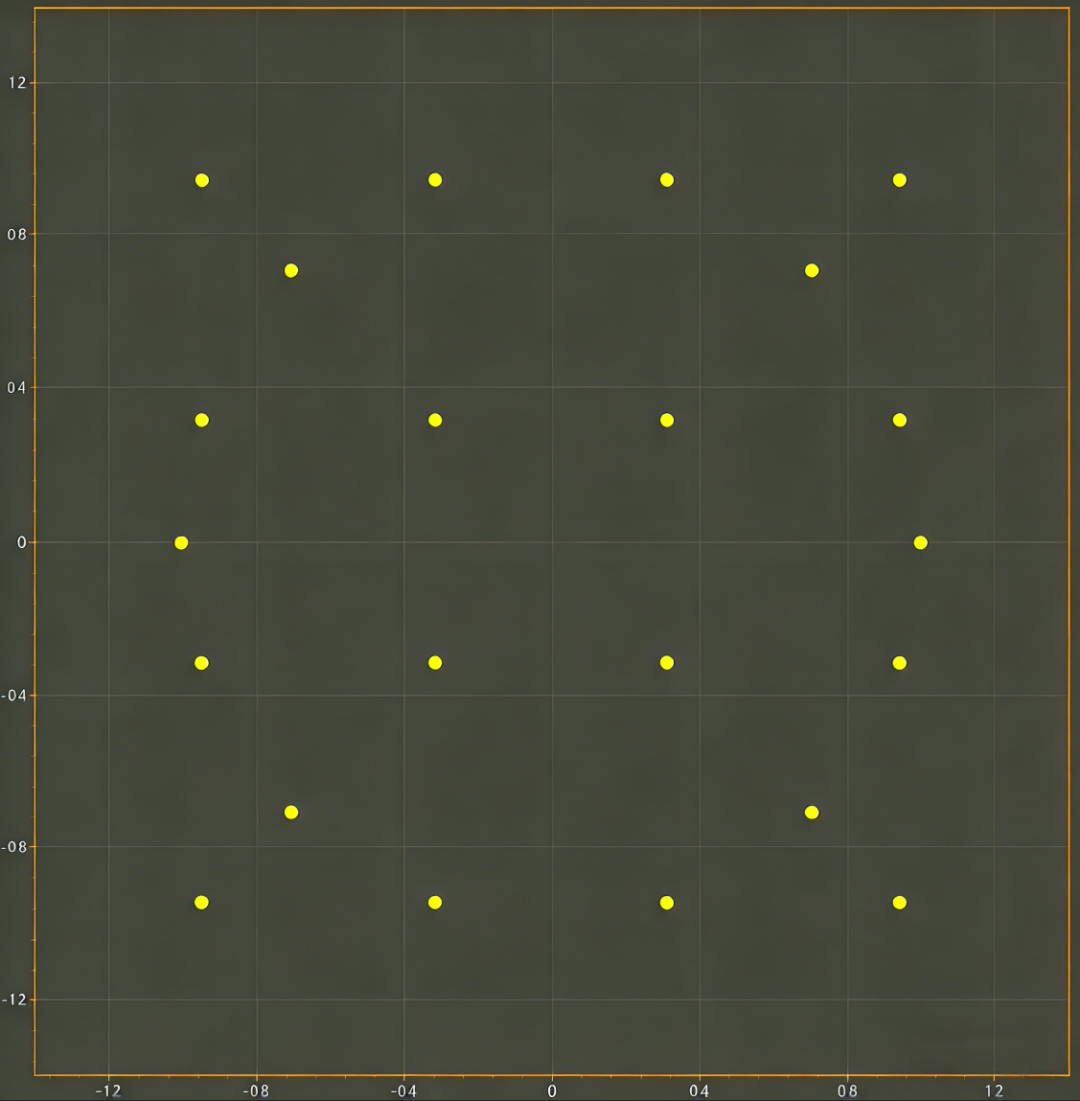
A single T6290F can perform 2x2 MIMO testing; cascading enables 3x3 or 4x4 MIMO configurations. In Wi‑Fi 8 MIMO test mode, the T6290F implements UEQM. The constellation diagrams for dual‑stream test results are shown below:

The T6290 series wireless tester supports Wi-Fi 4/5/6/6e/7/8 and multiple modulation schemes including BPSK, QPSK, 16-QAM, 64-QAM, 256-QAM, 1024-QAM, and 4096-QAM.

T6290F supports 2x2 MIMO with a single unit, and up to 3x3, 4x4 MIMO via cascading.

Supports OTA, TX, RX, and simultaneous TX/RX testing.

Innovation-Driven R&D, Expanding Product Capabilities.